
34 Month Milestones: Growth in Emotional Maturity & Communication Skills

Updated: Mar 12
Explore Your Baby’s 8 Important Developmental Milestones

By 34 months, children show significant progress in both gross and fine motor skills. They are becoming more independent. For instance, they can push an adult-sized chair to a table and climb onto it to sit. You will also observe improvements in their cognitive skills. These skills help them understand that they can complete tasks independently. Additionally, you’ll see their understanding of rules, such as not running in the kitchen. This indicates development in social and emotional maturity. Their communication skills are advancing, especially in tense usage and verb forms.
Is Your Baby Up for the Challenge?
At this age, your child has become more independent, both physically and mentally. You should notice that their memory is improving. They can recognize their friend's name. They will begin using past tenses, indicating significant progress in communication. This demonstrates that they can recall an event that happened in the past and talk about it. Moreover, they are showing more respect for rules, such as not running in the kitchen. This demonstrates social-emotional growth.
Why Does This Month Matter?
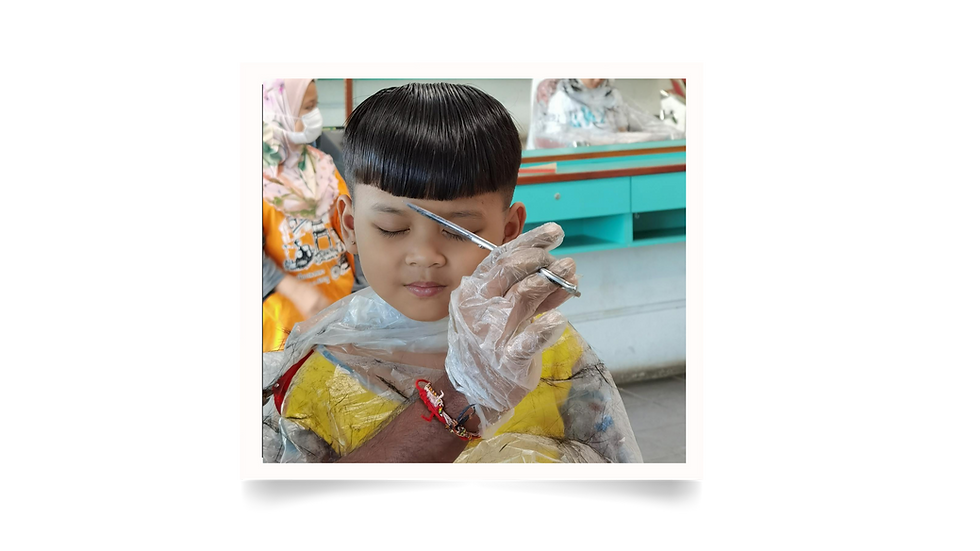
The progress of your child this month is crucial. It reflects improved cognitive ability and independence across gross motor, fine motor, and emotional maturity. These developments make them more patient, respectful of instructions, and calmer during procedures such as haircuts.
Gross Motor Skills
Gross motor skills enable children to engage in activities involving large muscle groups. Gross motor development is vital for improving balance and coordination. At 34 months of age, your child should be able to push an adult-sized chair and climb onto it to sit. They can maintain balance when accidentally bumped.
Fine Motor Skills
Fine motor skills involve small muscle groups, such as hand, wrist, and finger movements. These skills require coordination, strength, and awareness. It is essential that a child actively develops fine motor skills. By 34 months, you should observe progress toward greater independence. For example, they might attempt to pull pants down without help most of the time. They should also be able to put on socks with some help, ensuring the heel is oriented correctly.
Cognitive Development
As your child develops their fine motor skills through independent activities, this also supports cognitive development. At this age, your child's mental development enables them to be more independent. They realize that they can do things on their own.
Social-Emotional Development
By this age, your child has an improved understanding of simple rules like not running in the kitchen. They are beginning to calm themselves during a haircut. This demonstrates emotional maturity. Understanding specific rules makes them more diligent in adhering to them as part of their social development.
Communication
By 34 months old, your child’s communication skills are developing. They are using past tenses, such as “adding a 'd’ sound to verbs (like “runned”) and forming plurals by adding an 's' sound to nouns (like “mans”).” According to the Thought Co. article "What is overgeneralization? Definition and Examples", this process shows that the child understands basic grammatical patterns but has not yet learned all the exceptions. Rather than memorizing each word individually, children actively test language rules as they develop communication skills. This growing awareness of grammar indicates that the child is thinking more intentionally about how language functions to communicate meaning. At the same time, your child’s memory is improving. They can recall familiar information, such as a friend’s name, which supports more complex conversations and social interactions. This indicates that the child is becoming more aware of basic grammatical rules to communicate.
The Importance of Tracking Milestones
Your child's development across all areas, including gross and fine motor skills, cognitive abilities, social-emotional growth, and communication skills, allows them to become more independent. They understand their surroundings with greater confidence as they follow simple rules, remember names, and use tenses to communicate. They are laying a foundation for the future that encourages self-reliance. Paying attention to these milestones supports their progress and enables you to celebrate the amazing steps they take each day.
How Many of the 8 Milestones Has Your 34-Month-Old Mastered?
As your child continues to grow, it is essential to track their milestones during early childhood proactively. Every child develops at their own pace. Parental support can help foster skills such as managing emotions, effective communication, and gross and fine motor skills. Fledglings' Flight facilitates this process by providing age-specific milestone information. This allows parents to monitor progress, identify and address challenges early, and celebrate their child's achievements. Using these helpful tools sets a strong foundation for your child's lifelong learning and independence, making the journey beneficial for everyone involved.
With a Basic Membership for only $2 a month, you’ll gain access to an easy way to track all 812 developmental milestones your child is expected to reach from birth to age 4. You can keep a clear picture of their progress, spot what’s coming next, and enjoy celebrating every new achievement together.
Create a free account with Fledglings' Flight and get access to 4820 screen-free, play-based exercises. That is 100-200 exercises each month that you can start doing with your baby from the day that they are born. These exercises will help them develop into the best version of themselves. In addition, your free account provides access to more than 1,200 articles on child development, keeping you informed as you navigate your child's developmental journey.
FAQs
Is there a monthly toy subscription service for babies in Los Angeles?
Yes, Fledglings' Flight offers a specialized developmental kit service that functions like a monthly subscription for parents in Los Angeles and across the US. Each kit is curated to match your child’s specific age and developmental milestones, ensuring they have the right tools at the right time.
How to choose the right developmental toys for a 2-year-old in Los Angeles?
To choose the right developmental toys for a 2-year-old, focus on items that encourage open-ended play, fine motor skills, and language development. At Fledglings' Flight, we simplify this process by handpicking toys for our Los Angeles-based community that align with proven pediatric growth charts and 24-to-36-month milestones
Where can I order handpicked toys for early childhood development in Los Angeles?
You can order handpicked toys for early childhood development directly through the Fledglings' Flight online store. We specialize in sourcing high-quality, skill-based toys that are delivered throughout the Los Angeles area to support parents in hitting critical developmental targets
Where can I buy customized developmental toys for babies in the US?
Fledglings' Flight provides customized developmental kits for babies and toddlers across the United States. Unlike generic toy boxes, our kits are tailored to your child’s unique needs, focusing on specific areas like sensory processing, motor skills, and emotional maturity.
Does Fledglings' Flight offer personalized milestone tracking in California?
Fledglings' Flight offers personalized milestone tracking and support for families in California through our curated kits and educational resources. Our platform helps parents monitor their child's progress from infancy through toddlerhood, providing the physical tools (toys) and knowledge needed for every stage.


Comments