
Understanding the Stages of Play in Early Childhood
A guide on understanding how play supports childhood development.
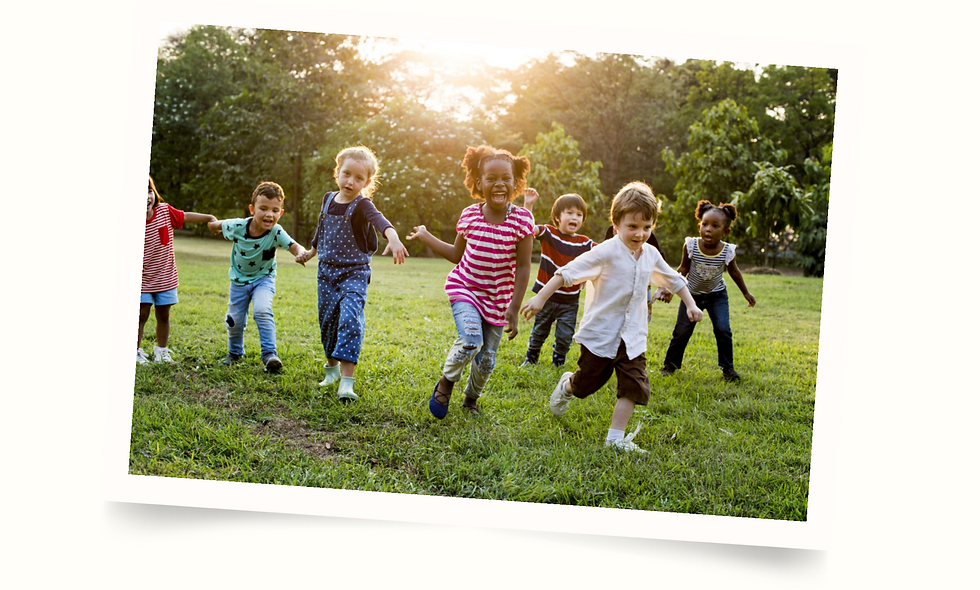
Play is far more than entertainment for children, it is one of the most important ways they learn about themselves, others, and the world around them. Through play, children build communication skills, emotional regulation, creativity, problem-solving abilities, and social confidence. As children grow, their play naturally evolves through several developmental stages.
These stages of play help parents, caregivers, and educators better understand how children interact with their environment and peers at different ages. While every child develops at their own pace, the progression through these stages tends to follow a similar pattern.
Unoccupied Play
Unoccupied play is the earliest stage of play and is most commonly seen in infants. At this stage, babies may appear to be making random movements without a specific goal or structure. They may kick their legs, wave their arms, grasp at nearby objects, or simply observe the world around them. While this type of play may not seem meaningful at first glance, it is actually a critical part of early development.
During unoccupied play, infants begin discovering how their bodies work and how they can interact with their surroundings. They are learning cause and effect through simple experiences. For example, a baby may accidentally shake a rattle and become fascinated by the sound it creates. Over time, they begin repeating movements intentionally as they realize they can influence their environment.
This stage also supports important sensory development. Babies are constantly taking in new sights, sounds, textures, and movements. These early sensory experiences help build neural connections in the brain that support future learning. Even watching light move across a room or feeling different textures can contribute to cognitive growth.
Unoccupied play lays the groundwork for all later forms of play. It may look simple, but it represents the beginning of curiosity, exploration, and self-awareness. Encouraging safe spaces where infants can move freely and explore different sensory experiences is essential during this stage.

Solitary Play
Solitary play occurs when children play independently. This stage is especially common during the toddler years, although children of all ages benefit from spending time playing alone. During solitary play, children become fully engaged in their own activities, often focusing deeply on what they are doing without paying much attention to others nearby.
A child participating in solitary play might build a tower with blocks, flip through picture books, color independently, or create imaginative pretend-play scenarios with toys. These activities may seem simple, but they provide valuable opportunities for learning and self-discovery.
One of the biggest benefits of solitary play is the development of independence. Children learn how to entertain themselves, make decisions, and solve problems on their own. For example, a child trying to balance blocks into a tall structure is experimenting with trial and error, patience, and persistence. They are learning how to overcome challenges without immediate assistance.
Solitary play also supports creativity and imagination. When children play independently, they are free to explore their own ideas without outside influence. They can create stories, invent games, and express themselves in ways that build confidence and cognitive flexibility.

Onlooker Play
Onlooker play occurs when children observe others playing without directly joining the activity. They may stand nearby, watch attentively, ask questions, or comment on what other children are doing. Although they are not actively participating, they are still deeply engaged in the learning process.
This stage is particularly important because children begin developing social understanding through observation. They learn how games work, how children communicate, how sharing happens, and how conflicts are resolved. By watching others interact, children gain valuable insight into social behaviors and group dynamics.
For example, a child at the playground may spend several minutes watching other children climb, slide, or play tag before deciding whether to join in. During this time, they are assessing the situation, building confidence, and learning social expectations.
Onlooker play is especially common among children who are naturally shy, cautious, or entering unfamiliar environments. It gives them an opportunity to feel safe while still participating indirectly. Rather than forcing children to engage immediately, allowing time for observation can help them feel more comfortable and secure.
This stage also supports language development. Children listening to conversations and instructions during play absorb new vocabulary, social phrases, and communication.

Parallel Play
Parallel play happens when children play side by side with similar toys or activities without directly interacting with each other. This stage is commonly seen in toddlers and younger preschoolers who are beginning to develop social awareness but may not yet have the skills for fully interactive play.
An example of parallel play would be two toddlers sitting next to each other with separate sets of blocks, each building independently while occasionally glancing at one another. Although they are not working together, they are becoming aware of each other’s presence and actions.
Parallel play is an important transition between independent play and social play. During this stage, children start learning how to exist in shared spaces. They observe each other’s behavior, imitate actions, and gradually become more comfortable around peers.
Imitation is a major part of parallel play. A child may notice another child stacking blocks a certain way and decide to copy the behavior. Through imitation, children learn new skills, problem-solving techniques, and creative ideas.
Parallel play also introduces early lessons in boundaries and cooperation. Children begin learning concepts such as respecting personal space, taking turns with materials, and managing emotions when conflicts arise. Even though direct interaction may still be limited, children are building foundational social skills that prepare them for more collaborative play later on.

Associative Play
Associative play represents a major step forward in social development. During this stage, children begin interacting directly with one another while participating in similar activities. Unlike parallel play, children now communicate, share materials, and exchange ideas.
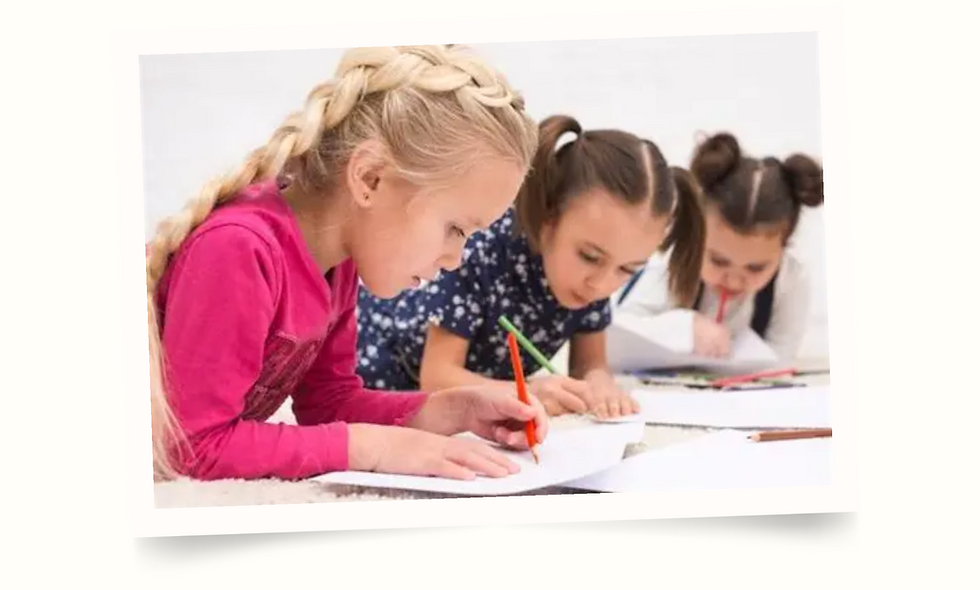
For example, a group of children drawing together may talk about their pictures, share crayons, and comment on each other’s work. They are socially engaged, but each child is still largely focused on their individual creation rather than a shared goal.
Associative play helps children develop critical social and emotional skills. They begin practicing cooperation, communication, and conflict resolution. They learn how to express their thoughts, listen to others, and navigate social situations.
This stage also supports emotional development because children begin recognizing the perspectives and feelings of others. They may learn that sharing toys can make play more enjoyable or that taking turns helps everyone feel included.
Cooperative Play
Cooperative play is the most socially advanced stage of play and typically emerges during the preschool and early elementary years. In this stage, children actively work together toward a shared goal or organized activity. Unlike associative play, cooperative play involves teamwork, planning, communication, and assigned roles.
Children engaging in cooperative play may create pretend scenarios, organize games with rules, build large projects together, or participate in team sports. An example could include a group of children pretending to run a restaurant together by dividing responsibilities between cooks, servers, and customers.
This stage requires children to use a wide range of social and cognitive skills simultaneously. They must communicate clearly, negotiate roles, solve disagreements, follow rules, and adapt to the ideas of others. These experiences are essential for developing emotional intelligence and strong interpersonal skills.
Cooperative play teaches children the importance of teamwork and collaboration. They begin understanding that working together often leads to better outcomes than working alone. They also experience the challenges that come with group interaction, such as compromise, patience, and managing frustration. This stage of play prepares children for future success in school, friendships, extracurricular activities, and eventually the workplace. The ability to collaborate effectively with others is one of the most valuable life skills children can develop.

Why the Stages of Play Matter
The stages of play provide important insight into how children grow and learn over time. Each stage contributes something unique to a child’s development, whether it's independence, creativity, observation, communication, or teamwork. No stage is more important than another because each one builds the foundation for future learning and social interaction.
It is also important to remember that children may move between stages depending on their mood, environment, personality, or comfort level. A child who engages in cooperative play at school may still prefer solitary play at home, and that flexibility is perfectly normal.
By understanding these stages, parents can create supportive environments that encourage healthy development. Providing opportunities for both independent and social play allows children to explore their abilities while building confidence and emotional resilience.

Want more information like this?
Create a free account with Fledglings' Flight and get access to 4,820 screen-free, play-based exercises. That is 200-300 exercises each month that you can start doing with your baby from the day that they are born to help them develop into the best version of themselves. In addition, your free account gives you access to over 1,200 articles on child development to keep you informed while you help to navigate your child's developmental journey with confidence.
FAQs
What are the stages of play?
The stages of play are different ways children interact with toys, activities, and other people as they grow. The six main stages are unoccupied play, solitary play, onlooker play, parallel play, associative play, and cooperative play.
Why are the stages of play important?
Each stage of play helps children develop important life skills, including communication, creativity, emotional regulation, problem-solving, and teamwork. Play supports both social and cognitive development.
At what age do children go through the stages of play?
Children move through the stages at different ages and speeds. Infants typically begin with unoccupied play, while cooperative play becomes more common during the preschool and early elementary years. Development can vary from child to child.
What types of play are best for cognitive development?
All stages of play are valuable and support different areas of development. A healthy balance of independent, imaginative, and social play provides children with the strongest developmental benefits.
Does play help with learning?
Yes. Play is one of the most effective ways children learn. Through play, children develop language skills, motor coordination, social understanding, creativity, and critical thinking abilities.
How can parents encourage healthy play development?
Parents can support play development by providing safe spaces, age-appropriate toys, opportunities for social interaction, and plenty of time for free play. Encouragement and positive interaction also help children feel confident while exploring new forms of play.


Comments